When resistance becomes regression: the new Luddites...


As you know if you read me regularly, the arrival of AGI is a subject I’m passionate about. Lately, I’ve been spoiled: this week we saw just how close that moment is. OpenAI’s O3 model was released, and it reaches an IQ of 136 (just twenty-four points shy of Einstein!).
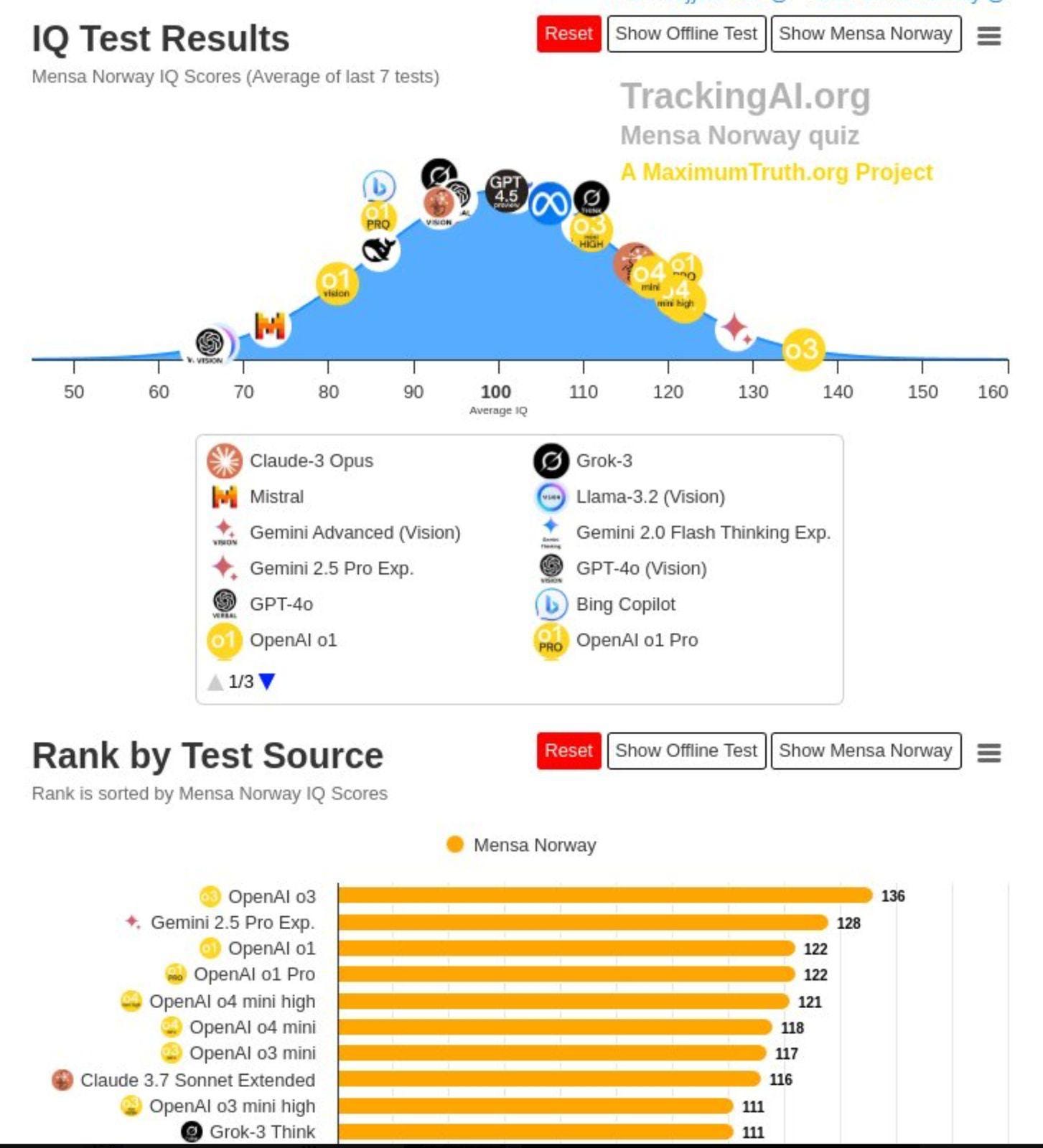
Let’s not kid ourselves: only three weeks ago, we were marveling at Google’s Gemini 2.5, which peaked at an IQ of 128! Eleven points gained in three weeks! At that pace—even on a logarithmic scale—we’ll reach Einstein’s level before year-end.
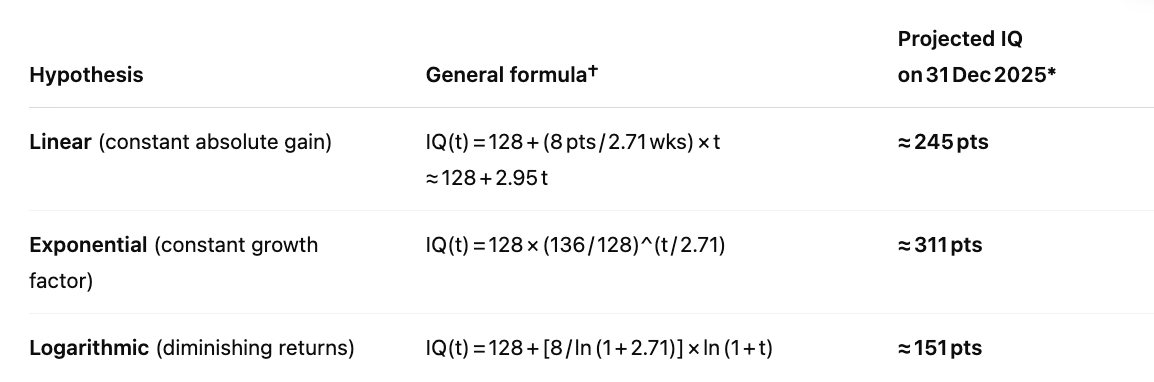
But the question isn’t so much knowing the IQ of an isolated AI (136 today, perhaps 151 or even 311 by year-end!!!) as understanding what consequences its widespread adoption (or, conversely, its blockage) will have on the world.
I’ve already discussed several scenarios for the generalized use of AGI in previous articles. However, I seem to have overlooked one highly plausible scenario, especially here in France: what if, instead of embracing AI, we chose to block it? An organized, legalized resistance to the widespread rollout of artificial intelligence…
Under the pretext of safeguarding jobs, a government could ban or heavily regulate AI use. Laws would be enacted to protect certain professions. Unions, backed by political leaders, would see it as an opportunity to maintain a status quo favorable to their constituents.
Faced with these restrictions, companies would find themselves cut off from technological progress. Without access to productivity gains, they’d become less competitive, first internationally, then domestically: wage pressures, offshoring, the rise of an underground AI market. In time, this economy could find itself marginalized, reliant on imported technologies that circumvent national barriers…
Opting for this digital Luddism, we would retreat behind regulatory hurdles: quotas, restrictive licensing, audits designed to fail. A split would emerge between "digitally open" nations and "digitally closed" ones. The former would accelerate their growth and power, while the latter sank into deeper isolation. Geopolitical alliances would realign around this technological divide.
To enforce the ban, controls would have to be tightened: increased network surveillance, algorithm blackouts, criminal penalties for "AI violations." This climate would foster a state techno‑paternalism, where mistrust of machines justifies curbing freedoms, transforming a dream of emancipation into a digital surveillance nightmare.
The irony of fate: in trying to protect humanity, we would sacrifice its influence. Not to mention that the "Luddites 2.0" would ultimately deepen our dependence on the very underground tech giants they aim to exclude.
Rejecting AI risks rapid decline; embracing it blindly threatens democratic control. Neither a revolutionary upheaval nor a nostalgic return to an outdated model: we must forge a third path…